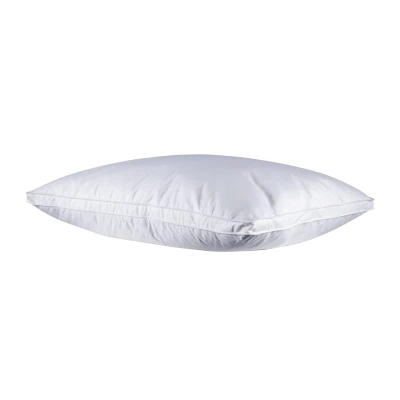
Why Your Goose Down Pillow Smells After Washing (And How to Fix It)
You did the right thing. You finally tossed that luxurious goose down pillow into the washing machine, dreaming of a fresh, cloud-like sleep. But when you pulled it out, instead of that clean laundry scent, you got hit with something funky. A musty, sour, or even slightly "wet bird" odor.
You aren't alone. Dealing with the fact that your goose down pillow smells after washing is one of the most frustrating laundry fails out there. Let's be real—nobody wants to rest their head on something that smells like a swamp. But don't toss it yet. I've got the fixes that actually work.
Why Does This Happen? The Science of the Stink
First, let's talk about why this happens. Down feathers are natural proteins. When they get soaked and don't dry fast enough, they create a perfect breeding ground for bacteria and mildew. That "wet dog" or "dirty sock" smell is literally microbial growth.
Another big culprit is leftover detergent. Down is super sensitive. If you used too much soap or the wrong kind, it didn't rinse out. That residue traps moisture and creates that weird, sour odor. So when you notice your goose down pillow smells after washing, it's usually a combo of trapped moisture and soap scum.
The Drying Game: Your Most Important Step
Here's the truth: washing a down pillow is the easy part. Drying it is the real challenge. If you stop drying even a minute too early, you'll be left with that damp smell. You need to be aggressive with the heat and time.
Throw a couple of clean tennis balls or wool dryer balls in the dryer with the pillow. They break up the clumps of wet feathers and help air circulate. Crank the heat to medium or medium-high and plan for at least 90 minutes to two hours.
Pro-Tip: Check for dampness by squeezing the pillow in the center. If it feels cool or heavy at all, it's still wet. Keep drying. A fully dry pillow should feel light and fluffy, with zero cold spots.
How to Rescue a Smelly Pillow (Step-by-Step)
If you're already staring at a stinky pillow, don't panic. Here's your rescue plan. You need to strip out the old detergent and kill the bacteria.
Step 1: The Vinegar Soak
Rewash the pillow, but this time add one cup of plain white vinegar to the rinse cycle. Vinegar is a natural deodorizer and kills mildew. It sounds crazy, but the vinegar smell will completely disappear as it dries.
Step 2: The Baking Soda Boost
If the vinegar alone doesn't cut it, sprinkle a half cup of baking soda directly into the drum before the wash cycle starts. This helps neutralize any lingering oils or odors trapped in the down clusters.
Step 3: No Fabric Softener. Ever.
Fabric softener coats the feathers and ruins their loft. It also traps moisture, which leads directly to that smell. Use a gentle, liquid detergent made specifically for down or a tiny amount of a free-and-clear detergent.
Comparing Your Fix Options
Not sure which method to try first? Here's a quick breakdown of what works best for different levels of stink.
- Mild Smell (Just a little musty): Rewash with an extra rinse cycle. Make sure you dry it completely.
- Moderate Smell (Sour or damp): Use the vinegar rinse method. This is usually the game changer.
- Strong Smell (Wet bird or mildew): Combine the vinegar rinse with a baking soda wash. You might need to dry it twice.
- Persistent Smell (After all attempts): The down might be ruined. If the feathers are clumped and the odor won't leave, it's time for a new pillow.
Prevention: Keeping It Fresh From the Start
Let's avoid this problem next time. The best way to prevent that goose down pillow smell after washing is to dry it smarter. Never, ever let a down pillow air dry indoors. It takes too long and bacteria will start growing before it's dry.
Also, wash your down pillows every six months, not every week. Over-washing strips the natural oils from the feathers, making them brittle and more prone to odor. Use a pillow protector to keep sweat and oils off the actual pillow, so you can wash the protector instead.
The Final Word
A smelly pillow is annoying, but it's usually fixable. Remember that the key is patience with the drying process. If you rush it, you will smell it. So next time you're dealing with that funk, just grab the vinegar, crank the dryer, and give your pillow the time it needs. Your nose will thank you.