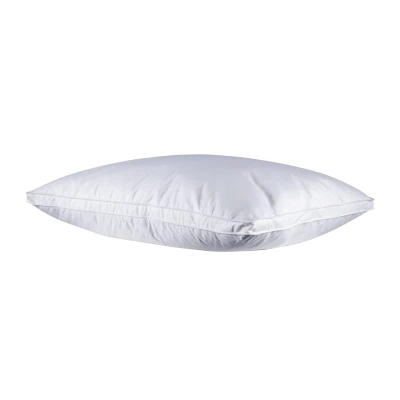
Why Goose Down Pillow Inserts Are the Sleep Upgrade You Didn’t Know You Needed
Let’s be real for a second—how often do you actually think about what’s inside your pillow? Most of us just grab whatever’s on sale, toss it on the bed, and call it a day. But here’s the thing: your pillow is literally the foundation of your sleep posture. If it’s flat, lumpy, or made of sad synthetic stuffing, your neck is paying the price. That’s where goose down pillow inserts come in. They’re not just a luxury; they’re a game changer for anyone who wants to wake up without that annoying crick in the neck.
I’ve tested more pillows than I care to admit—memory foam, shredded latex, buckwheat hulls (don’t ask). But nothing compares to the cloud-like support of a quality down insert. It’s like sleeping on a marshmallow that actually holds its shape. So, let’s dive right in and break down why these inserts deserve a spot on your bed.
What Makes Goose Down Pillow Inserts So Special?
First off, we’re talking about the real deal—not polyester fiberfill that clumps up after two months. Goose down comes from the soft undercoating of geese, and it’s prized for its unbelievable loft and breathability. The clusters trap air, creating a pillow that’s both fluffy and supportive. It’s a no brainer if you tend to sleep hot, because down naturally wicks away moisture and regulates temperature way better than synthetic alternatives.
But here’s the kicker: not all down is created equal. You want to look for a high fill power (600 to 800 is the sweet spot) and a decent down-to-feather ratio. A 90/10 or 95/5 blend means mostly fluffy down with just enough feathers for structure. That combo gives you that sink-in feel without your head hitting the mattress by 3 a.m.
The Difference Between Down and Feather Pillows
This is a common mix-up, so let’s clear it up. Feather pillows use the outer plumage—stiffer, quill-tipped feathers that poke through the fabric and flatten fast. Goose down pillow inserts, on the other hand, use only the soft undercoating. The result? No scratchy quills, no flat spots, and a pillow that you can actually fluff back to life every morning. It’s the difference between sleeping on a pile of sticks versus a cozy nest.
Pro tip: If you’re worried about allergies, look for “hypoallergenic” or “down-proof” covers. Many modern goose down pillow inserts are washed and sanitized to remove dust mites and dander. Just pair them with a good protector case, and you’re golden.
How to Choose the Right Goose Down Pillow Inserts for Your Sleep Style
Your sleep position matters more than you think. Side sleepers need a thicker, firmer insert to fill the gap between the shoulder and ear. Back sleepers do best with a medium loft—enough support for the neck curve, but not so high that your chin tilts forward. Stomach sleepers? Go with a soft, low-loft insert to avoid straining your spine. Honestly, it’s worth buying a couple of different firmness levels to test. Your neck will thank you.
Another factor: the shell fabric. A 100% cotton or sateen cover with a high thread count (300 or above) keeps the down from poking through and adds a silky feel. Some premium goose down pillow inserts even use a baffle-box construction, which prevents the down from shifting around. That means no more waking up with a lump of stuffing under your ear while the rest of the pillow is flat.
Maintenance Tips to Keep Them Fluffy for Years
Let’s talk upkeep, because these inserts aren’t cheap—but they last forever if you treat them right. Here’s a quick checklist:
- Fluff daily: Give your pillow a good shake and punch when you make the bed. It redistributes the down and keeps the loft even.
- Air them out: Once a month, let your pillows hang out in the sun for a few hours. Sunlight kills bacteria and restores that fresh, bouncy feel.
- Wash sparingly: Machine wash on a gentle cycle with mild detergent, then tumble dry on low with a couple of clean tennis balls. The balls break up clumps and restore fluffiness.
- Replace every 3-5 years: Even the best goose down pillow inserts eventually lose their oomph. When they stop bouncing back after fluffing, it’s time for a new pair.
Goose Down vs. The Competition: A Quick Comparison
Still on the fence? Here’s a simple breakdown of how goose down stacks up against other popular pillow types. No fluff—just the facts.
| Pillow Type | Loft & Support | Temperature Regulation | Durability | Price Range |
|---|---|---|---|---|
| Goose Down Inserts | Adjustable, medium to high | Excellent (breathable) | 3-5 years with care | $$$ |
| Memory Foam | Firm, contouring | Poor (traps heat) | 2-4 years | $$ |
| Polyester Fiberfill | Low, flattens quickly | Moderate | 6-12 months | $ |
| Latex | Firm, bouncy | Good | 5+ years | $$$ |
As you can see, goose down pillow inserts win on comfort and breathability, but they do require a bit more TLC. If you’re the type who likes a “set it and forget it” pillow, latex might be your jam. But if you crave that soft, moldable feel that still supports your neck? Down all the way.
Final Thoughts: Is It Worth the Splurge?
Look, I get it—spending $80 to $150 on a pillow feels indulgent. But consider this: you spend roughly a third of your life asleep. That’s 2,900 hours a year with your head on a pillow. Skimping on that is like buying cheap tires for a sports car. Goose down pillow inserts aren’t just about luxury; they’re about investing in better sleep, less neck pain, and mornings where you actually feel rested.
So go ahead, treat yourself. Your future self—the one waking up without a stiff neck—will thank you. And if you’re still not sure, start with one pillow. Try it for a week. I promise you’ll never look at a flat, synthetic pillow the same way again.