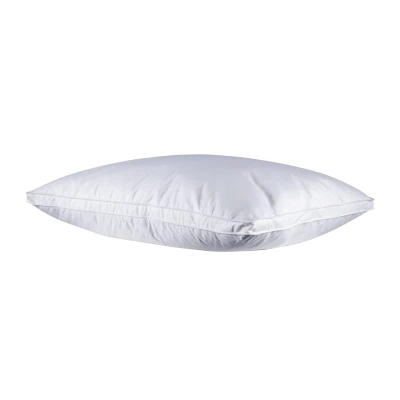
The Ultimate Guide to Down Pillows: Why Your Head Deserves One
Let’s be real for a second: how much thought have you actually put into your pillow? Most of us grab whatever is on sale or the one we’ve had since college (no judgment, but *yikes*). But here’s the thing—your pillow is the unsung hero of your sleep. And if you haven’t made the switch to down pillows, you might be missing out on some serious dreamy comfort.
You’ve heard the hype. They’re fluffy, they’re luxurious, and they feel like sleeping on a cloud. But are they actually worth it? I’m diving into everything you need to know about down pillows—from fill power to baffle boxes—so you can finally get that perfect night’s sleep.
What Exactly Are Down Pillows?
First things first: down is not the same as feathers. I know, it’s confusing. Down is the soft, fluffy undercoating that’s found under the tougher exterior feathers of ducks or geese. It’s the stuff that traps air and keeps birds warm. For us humans, that translates into a pillow that’s incredibly soft, lightweight, and moldable.
Down pillows are famous for that “sink into” feeling. They don’t push back against your head like memory foam. Instead, they cradle you. It’s a total game changer for side sleepers and stomach sleepers who hate feeling like their neck is being pushed up.
Down vs. Feather: What’s the Real Difference?
I get this question all the time. A lot of stores try to blur the lines, but here’s the breakdown:
- Down: The soft, fluffy clusters. No quills. Super breathable. High loft.
- Feathers: Have a flat quill in the center. Can poke through the fabric. Heavier and less insulating.
If you buy cheap “feather” pillows, you’re probably getting a mix of both. That’s why you might feel a stray quill poking your ear at 2 AM. Real down pillows? That rarely happens.
Why Your Sleep Setup Needs Down Pillows
Here’s the thing about sleep: it’s personal. What works for your buddy might not work for you. But down pillows have this magical ability to work for almost everyone. Why?
Temperature regulation. Memory foam sleeps hot. It’s a fact. Down, on the other hand, is naturally breathable. The clusters allow air to circulate, so you don’t wake up with a sweaty neck. It’s a lifesaver for hot sleepers.
Longevity. A good down pillow can last 3 to 5 years if you take care of it. Compare that to a polyester pillow that goes flat in six months. It’s a no-brainer investment.
Adjustable loft. You can literally squish a down pillow into whatever shape you need. Need it thin for stomach sleeping? Flatten it. Need a thick wedge for side sleeping? Fluff it up. It’s like having a custom pillow every night.
Pro-Tip: If you’re a back sleeper, look for a medium loft down pillow. You want your head to be aligned with your spine, not tilted up like you’re watching a movie on the ceiling.
Fill Power: The Number That Actually Matters
When you’re shopping for down pillows, you’ll see a number like “600 fill power” or “800 fill power.” Don’t ignore it. This is the metric for how fluffy and insulating the down is.
Here’s a super simple breakdown:
- 600-700 Fill Power: Good quality. Soft but has decent support. Great for daily use.
- 700-800 Fill Power: Excellent. Fluffy, light, and very resilient. This is the sweet spot for most people.
- 800+ Fill Power: Luxury level. Extremely soft and lofty. Feels like nothing is under your head, but in a good way.
Don’t feel pressured to buy the most expensive option. A 700 fill power down pillow is usually perfect for 90% of sleepers.
How to Care for Down Pillows (Without Ruining Them)
Okay, let’s talk maintenance. Because down pillows aren’t cheap, and you want them to last. The good news? They’re actually pretty easy to care for.
Fluff them daily. Every morning, give them a good shake and a punch. It redistributes the down clusters and stops them from clumping.
Wash them (carefully). You can wash down pillows in your machine, but you have to do it right. Use a gentle cycle with warm water and a small amount of down-specific soap. Never use fabric softener—it coats the down and ruins its loft.
Dry them completely. This is the most critical step. Down holds onto moisture like crazy. If it stays damp, it will mildew. Tumble dry on low heat with a couple of clean tennis balls. The balls break up the clumps and keep the fluff even. It takes two or three cycles, but don’t skip it.
Should You Get a Down Pillow or a Down Alternative?
I know some of you are thinking, “But what about allergies?” Or maybe you’re vegan and don’t want animal products. That’s totally fair. Here’s the honest truth:
- Down pillows: Real deal. Best feel. Best breathability. Can trigger allergies in sensitive people (though many are now hypoallergenic treated).
- Down alternative pillows: Made from synthetic fibers like microfiber. Cheaper. Hypoallergenic. But they don’t last as long and sleep warmer.
If you have mild allergies, don’t rule out real down pillows. Many premium brands wash the down multiple times to remove dust and dander. Just look for a “hypoallergenic” label.
Final Thoughts: Is the Hype Real?
I’ll keep it simple: yes. The hype around down pillows is absolutely real. They aren’t just a luxury item for fancy hotels. They are a practical, long-term investment in your sleep health. Once you feel that perfect balance of softness and support, you’ll wonder why you waited so long.
So go ahead. Treat your head to something nice. Your neck—and your morning mood—will thank you.