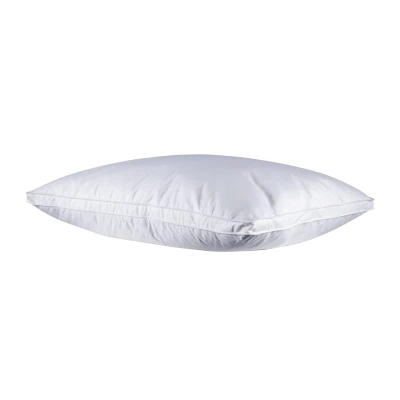
The Ultimate Guide for Back Sleepers: Why You Need a Down Pillow Right Now
Let's be real for a second. If you sleep on your back, you've probably woken up with a stiff neck or a headache more times than you'd like to admit. The culprit? Nine times out of ten, it's your pillow. You need something that cradles your cervical spine without propping your head up at a weird angle. That's where the magic of a down pillow back sleeper setup comes into play. It’s not just a pillow; it’s a game changer for your morning mood.
I’ve tested more pillows than I care to count, and nothing—and I mean nothing—hits the sweet spot between cloud-like softness and necessary support like a good down option. If you're tired of fighting with your bedding, dive right in. We’re going to break down exactly why this is the no-brainer choice for your sleeping style.
Why Back Sleepers Have It Rough (And How Down Fixes It)
Back sleeping is actually the gold standard for spine alignment, but only if your pillow plays nice. A pillow that’s too thick will crank your chin toward your chest, straining your neck all night. One that’s too flat leaves your head flopping backward, which is equally bad. You need that "Goldilocks" zone of loft.
A down pillow back sleeper solution is perfect because down is naturally compressible. It gives you that initial plush feel, but it doesn't just collapse into a pancake. The feathers provide a subtle, springy resistance that fills the gap between your head and the mattress, keeping your ears, shoulders, and hips perfectly stacked.
Pro Tip: When testing a new down pillow, lie on your back and have a friend look at you from the side. Your forehead and chin should be parallel to the ceiling. If you’re looking at your toes or the wall, it’s a no-go.
What to Look for in a Down Pillow for Back Sleepers
Not all down pillows are created equal. You can’t just grab the cheapest bag at the store and call it a day. Here are the three non-negotiable specs you need to hunt for. Pay attention to these, and you’ll never look back.
1. Fill Power: The Loft Factor
This is the technical jargon for "how much air can the down hold?" For a back sleeper, you generally want a medium loft. Look for a fill power between 600 and 750. Anything lower, and you’ll sink to the mattress. Anything higher, and you might feel like you’re sleeping on a marshmallow cloud that’s too tall. Stick to the middle ground for that perfect alignment.
2. The "Baffle Box" Construction
Cheap pillows let the down shift into a sad lump in the corner. High-quality options use baffle boxes—internal fabric walls that keep the fill evenly distributed. This is critical for a down pillow back sleeper because you need consistent support across the entire surface of the pillow, not just one puffy spot in the middle.
3. Firmness Level: Soft vs. Medium
Here’s the simple rule: If you are a smaller person or have a narrow frame, go with "soft." If you are average to broad-shouldered, go with "medium." Never buy a "firm" down pillow for back sleeping. Firm down pillows are really designed for side sleepers. For you, medium is the sweet spot.
Down vs. The Alternatives: A Quick Look
I know, I know. You might be looking at memory foam or latex. Let’s cut through the noise. Here is a quick comparison of how a down pillow stacks up against the competition specifically for a back sleeper.
- Memory Foam: Great for contouring, but it can trap heat and feel "dead" or slow to rebound. Often too thick for back sleepers unless it’s a specific "cut-out" design.
- Latex: Super bouncy and cool, but very firm. Most latex pillows are too tall for back sleepers unless you buy a low-profile one. It’s like sleeping on a trampoline.
- Down (The Winner): Breathable, adjustable, and molds instantly. It offers the perfect balance of softness and support. You can also "fluff and punch" it to your exact preference every night.
Honestly, the adjustability of a down pillow back sleeper is the killer feature. You can’t fold a slab of latex in half to change the height. With down, you can manipulate it to fit the exact curve of your neck.
How to Maintain Your Down Pillow (So It Lasts)
A good down pillow is an investment. You want it to last for years, not months. The biggest mistake people make is never washing them. Here is your maintenance cheat sheet.
- Fluff it daily. Give it a good punch and shake every morning to redistribute the feathers. This prevents flat spots.
- Wash it seasonally. Wash your down pillow every 3-4 months. Use a gentle cycle with a specialized down wash (never regular detergent, as it strips the natural oils).
- Dry it thoroughly. This is the most critical step. Dry on low heat with wool dryer balls. It takes forever (sometimes 2-3 cycles), but if you leave any moisture, you’ll get mildew and a ruined pillow.
Once you dial in the right down pillow back sleeper combo, you’ll wonder why you ever put up with that cheap poly-fill lump. Your neck will thank you, your headaches will fade, and your morning coffee will taste even better because you actually slept. Stop settling for bad sleep. Upgrade your pillow tonight.