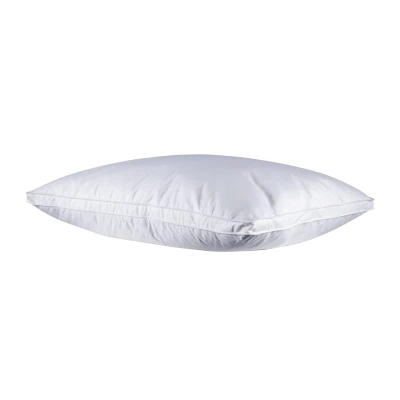
Don't Toss Those Pillows: The Ultimate Guide to Goose Down Pillow Cleaning
Let’s be real for a second: your goose down pillows have seen some things. Drool, sweat, maybe a spilled cup of coffee at 6 AM. They’ve been your trusty sleep companions for months (or years), but now they’re looking a little flat and smelling a little funky. Before you toss them in the trash and drop a hundred bucks on new ones, hold up. You can absolutely bring them back to life with a little elbow grease.
I’m here to walk you through the entire process of goose down pillow cleaning. It’s easier than you think, and it’s a total game changer for your sleep hygiene. No more weird smells or lumpy neck support.
Why Bother Cleaning Your Down Pillows?
First off, let’s talk about the "why." Goose down is a premium material—it’s lightweight, fluffy, and insanely comfortable. But it’s also a sponge for body oils, dead skin cells, and dust mites. Yuck, right?
If you skip regular maintenance, your pillows will lose their loft and turn into sad, flat pancakes. More importantly, a dirty pillow can mess with your allergies and skin. So, investing a little time in goose down pillow cleaning is a no-brainer for both comfort and health.
How Often Should You Actually Do This?
I know, life is busy. But here’s a good rule of thumb: give your pillows a deep clean every six months. If you sleep hot, sweat a lot, or have pets that jump on the bed, bump that up to every three months. And always, always wash them at the first sign of a funky odor or a lumpy feel.
Pro Tip: Check the care tag on your pillow before you do anything. Some high-end goose down pillows have specific instructions (like "dry clean only") that you shouldn't ignore. When in doubt, spot test a small area first!
Your Step-by-Step Guide to Goose Down Pillow Cleaning
Alright, let’s dive right in. This process works best with a standard top-loading washing machine (no agitator), but a front-loader works fine too. Just make sure you have enough room for the pillow to move around.
- Pre-Treat Stains: Got a yellow stain from sweat? Dab a tiny bit of mild detergent directly on the spot. Let it sit for 10 minutes.
- Set the Machine: Use a gentle cycle with warm water (not hot—heat can damage the down). Cold water is okay but won't dissolve oils as well.
- Choose Your Soap: Use a gentle, liquid detergent. Avoid bleach, fabric softener, or anything with harsh chemicals. They ruin the natural oils in the down.
- Run an Extra Rinse: This is critical. Soap residue can make your pillows stiff and smelly. Running two rinse cycles ensures everything is flushed out.
The Drying Process: The Make-or-Break Step
This is where most people mess up. If you don’t dry your pillows properly, the down will clump up and you’ll end up with a lumpy mess. You need patience and a dryer.
- Low Heat is Your Friend: Set your dryer to the lowest heat setting. High heat can scorch the down or melt the casing.
- Toss in Dryer Balls: Throw in 2-3 clean tennis balls or wool dryer balls. They physically beat the clumps apart as the pillow dries, restoring that fluffy loft.
- Check Every 20 Minutes: Stop the dryer frequently and fluff the pillow by hand. It might take 2-3 cycles to get fully dry. The pillow is done when the center feels completely dry—not damp at all.
- Air Fluff Option: If your dryer has an "air fluff" or "no heat" setting, use that for the final 30 minutes. It helps fluff without cooking the down.
A Quick Comparison: Machine vs. Hand Washing
Not everyone has a washing machine that can handle a bulky pillow. Here’s a simple breakdown to help you decide which method fits your life.
| Method | Best For | Pros | Cons |
|---|---|---|---|
| Machine Wash | Standard pillows, most modern down pillows | Fast, thorough, less elbow grease | Can damage fragile casings; requires a large machine |
| Hand Wash | Delicate, vintage, or expensive pillows | Gentle, full control, safe for fragile materials | Time-consuming, heavy when wet, hard to rinse |
Honestly? For most people, the machine method is the way to go. Hand washing goose down pillow cleaning is a workout you didn’t sign up for. But if your pillow has a delicate silk casing or is an heirloom, the gentle touch is worth it.
How to Keep Your Pillows Fresh Between Washes
You don’t have to wait for a full wash cycle to keep things fresh. A few small habits can extend the life of your cleaning job.
- Use a Pillow Protector: This is the cheapest hack in the book. A zippered cotton or bamboo protector catches sweat and oils before they hit the down. Wash the protector weekly.
- Fluff Daily: Give your pillow a good shake and a punch (literally) every morning. This redistributes the down and prevents flat spots.
- Air It Out: Hang your pillows outside on a sunny, breezy day for a few hours. Sunlight naturally kills bacteria and deodorizes them.
- Spot Clean Spills Fast: If you spill coffee or tea, blot it immediately with a damp cloth. Don’t rub—that pushes the stain deeper.
When It’s Time to Say Goodbye
Even with perfect care, goose down pillows don’t last forever. If your pillow no longer bounces back after you fold it in half, or if it feels more like a brick than a cloud, it’s time to replace it. Typically, a quality down pillow lasts 3-5 years with proper maintenance.
But seriously, don’t throw it away until you’ve tried one good round of goose down pillow cleaning. You might be shocked at how much life you can squeeze out of it. A little care goes a long way, and your neck (and your wallet) will thank you.